Building a better community, JCI Legazpi believes, starts with empowering its youngest members. On February 25, 2026, the chapter put that belief into practice through Project CHECK — the Cleanliness and Health Education Campaign for Kids — conducted together with the Philippine Association of Food Technologists, Xi Chapter.
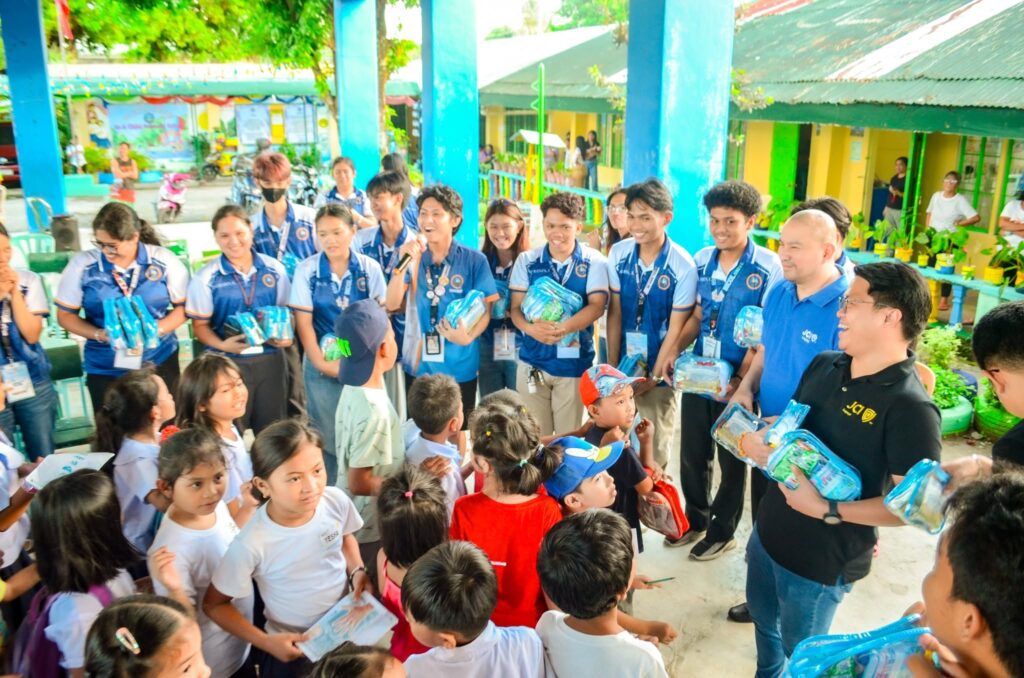
The initiative was dedicated to a simple but powerful idea: that proper hygiene, healthy habits, and self-care are skills best learned early. Rather than lecturing children, the organizers built the day around interactive discussions, engaging activities, and hands-on demonstrations. Young participants did not just hear about handwashing and healthy living — they practiced it, turning lessons into habits they could carry home.
Partnering with the Philippine Association of Food Technologists gave the campaign technical depth. Food technologists understand, in concrete terms, how cleanliness and safe practices protect health, and that expertise helped translate complex ideas into language and demonstrations a child could grasp and enjoy. The result was an experience that was equal parts fun and formative.
At the heart of Project CHECK was a message the organizers repeated throughout the day: cleanliness is not just a habit, it is a responsibility. For children growing up in busy households and crowded classrooms, learning to take ownership of their own hygiene is a small act of leadership — a way of caring for themselves and the people around them.
The chapter framed the day with three aspirations that doubled as its rallying call: clean hands, bright smiles, and healthy futures. Each one points to a larger truth. Clean hands prevent illness. Bright smiles reflect confidence and dignity. Healthy futures are the long-term payoff of habits formed in childhood. Taken together, they describe the kind of sustainable change JCI Legazpi hopes to seed across the community.
Projects like CHECK rarely make dramatic headlines, but their impact compounds quietly over time. A child who learns to wash properly, eat mindfully, and value self-care becomes a healthier student, a more capable adult, and eventually a parent who passes those lessons on. In that sense, the campaign is an investment in the community’s long-term wellbeing.
As JCI Legazpi summed it up, this is how positive change is created — one child, one lesson, one community at a time. Project CHECK proved that meaningful development does not always require grand gestures. Sometimes it begins with something as humble, and as essential, as clean hands.